

 Do you wonder how some of the largest websites and blogs online today deliver their content to you so quickly? Of course, hosting plays a part in this, but so does the content delivery network or CDN.
Using a CDN allows large websites to deliver content much faster because they won’t be using so much bandwidth and disk space on their own server. If you have started to generate a large amount of daily traffic, especially if it’s from all around the world, a CDN may be the right solution for your needs.
Web Hosting on Steroids
A CDN is like website hosting, but it’s multiplied. When you have a single web hosting installation and it’s replicating your website data on more than one server, it’s a bit like a CDN.
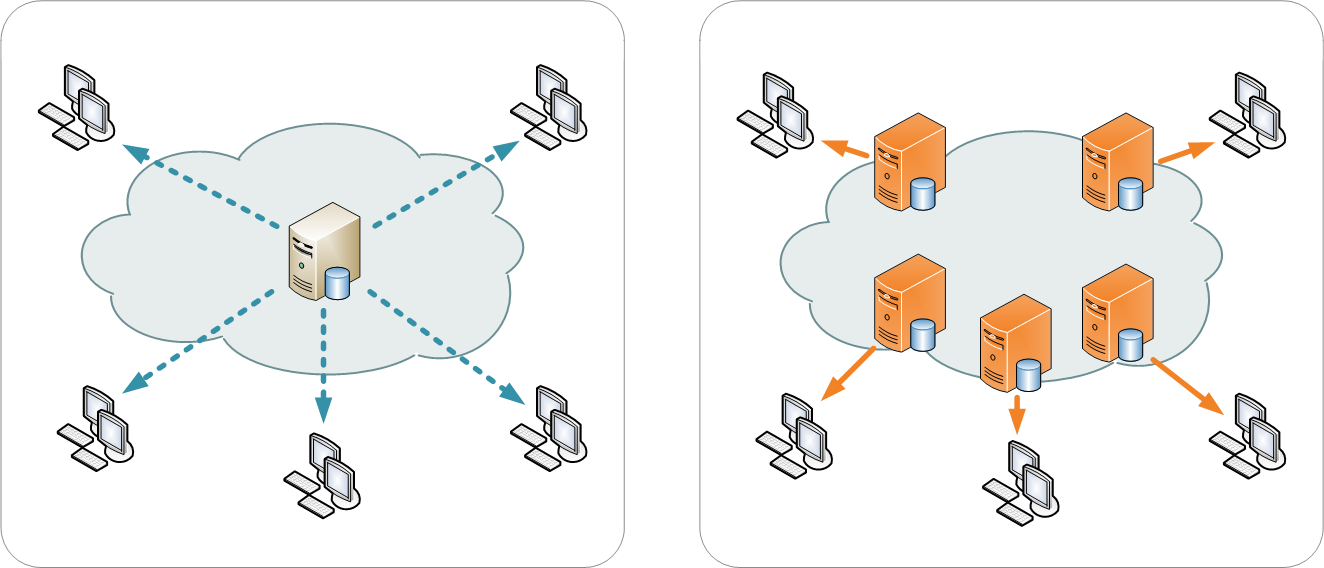
A content delivery network duplicates your content on many servers all across the world to make it faster and easier to deliver the content no matter where the visitor comes from. Some of the largest CDNs have thousands of servers with automatic configurations to serve your content to the end-user from the server closest to them. With smaller distances, you get fewer hops, which means the overall transmission is much faster.
What is the Main Benefit of CDNs?
Even though CDNs can work with static content, such as images and text, they are most powerful and most beneficial with videos. When a video is streamed from a local CDN server, it can be minimized to give the end-user the best quality without jigger or any buffering. When the video is being accessed by a large amount of users from one server, it causes issues.
When Should you Start Using a CDN?
Not everybody needs a CDN. However, if you are starting to see your site performance slip, a CDN may fix the issue. This is a much less expensive option compared to adding multiple servers for your hosing or upgrading to dedicated server hosting. A CDN may be able to give you the speed you need if you start seeing a large amount of daily traffic, as well.
