

Writing original content for you blog is vital to your success. There is nothing more annoying than finding out a number of other sites have started to scrape your excellent content and use it for their own needs. Even though Google has gone to great lengths to ensure you still outrank them, it can still cause issues.
What is Content Scraping?
Content scraping is typically done with a script or software program. It will pull content from a number of different sites and create one website out of that content. Since anybody can create a WordPress blog today, this has become a big issue. There are actually plugins that will scrape content from selected blogs, even though it’s not exactly legal.
Why Would Someone Steal Your Content?
The most accurate answer why somebody would steal your content is laziness. Websites using scraped content don’t last very long and it’s far more lucrative to take the time to create unique content for your WordPress Blog. The way content scrapers see it is a bit different, however. They scrap content to create leads, make money from advertising and cash in on affiliate commissions.
However, as soon as a program like Google AdSense or a product owner finds out they are using this dirty practice; they will lose their revenue source. Google AdSense will kick them out for good and they won’t be able to make money with that program ever again.
Can You Catch Content Scrapers?
It’s possible to catch content scrapers, but its’ very time consuming. The easiest way to catch them is by checking your Trackbacks in the comments section of WordPress. This works if you have internal links in your content. However, if you’re using the Akismet plugin, you may have to check your spam folder for these comments.
Another way to catch them is simply searching for your posts titles on Google. This can be very time consuming, especially if you’re writing about popular topics.
Those using the Google Webmaster Tools will also be able to check the links coming into the site for content scrapers. This is easily done by logging into your Google account and going to the traffic section. Click on the “Links to Your Site” and you will see a list you can check for content scrapers.
You can also catch them in the act by using your FeedBurner account. If you have this set up for your WordPress blog, you can click the “Uncommon Uses” section to see if there’s anything strange going on.
FEEDBURNER UNCOMMON USES IMAGE
What can You do about Content Scrapers?
It takes up quite a bit of time to do anything about content scrapers. Most of the WordPress bloggers will tell you it’s best to do nothing about it. However, this isn’t the approach everybody takes.
If you really want to do something about it, you can find the website’s using your content and contact the scraper. You can ask them to take the content down and if they don’t, you can file a DMCA complaint with their hosting company. Most scrapers don’t provide an actual contact form, but you can always use Whois Lookup to find out who they are and how you can contact them. This service will also give you the hosting information you need.
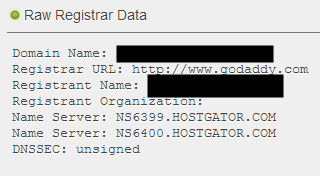
You may not get all the information you need, but you will get enough to find out who they are and how to get in contact. The Whois information will also give you the domain registrar, which means you can file a DMCA form at DMCA.com.
Along with filing your complaint, you can block their IP address with one of the many WordPress security plugins, such as WordFence Security.
An Approach Allowing You to Take Advantage of Content Scrapers
Instead of hunting them down and trying to take down their websites, you can use content scrapers to your advantage. This can actually help your SEO, if it’s done right. A few ways to take advantage of content scrapers include:
- Auto Link Keywords – With a plugin, such as SEO Smart Links, you can actually replace keywords with affiliate links. This will help you gain even more links pointing to your affiliate account when a scraper steals your content.
- Internal Linking – When you add a large amount of internal links to your posts, scrapers will actually link back to your posts when they use your content. This is a good way to get backlinks and steal some of their visitors.
- Use an RSS Footer – With the RSS Footer plugin or the feature in WordPress SEO by Yoast, you can create an RSS Footer. This can be customized however you want and you can promote your own products in your RSS. This will help you when a content scraper steals your content.
If you can take advantage of content scrapers, you will be able to get a bit of a boost for your SEO. However, the best approach is still the, “do nothing” approach. Of course, if it becomes a huge issues, you should always file a DCMA complaint.

2 Responses to How to Prevent Content Scraping on Your WordPress Blog